

Introduction to Condensation Issues in Properties
Condensation is a common issue in many homes, especially older properties. It occurs when warm indoor air meets cooler surfaces, causing moisture to form. This moisture can lead to problems such as mildew and mould growth, damaging your home and reducing its appeal. Homeowners preparing to sell their property should address condensation to ensure their home is attractive to potential buyers. Read more for tips on Protecting Your Home from Condensation and Its Effects.
Causes of Condensation in Homes
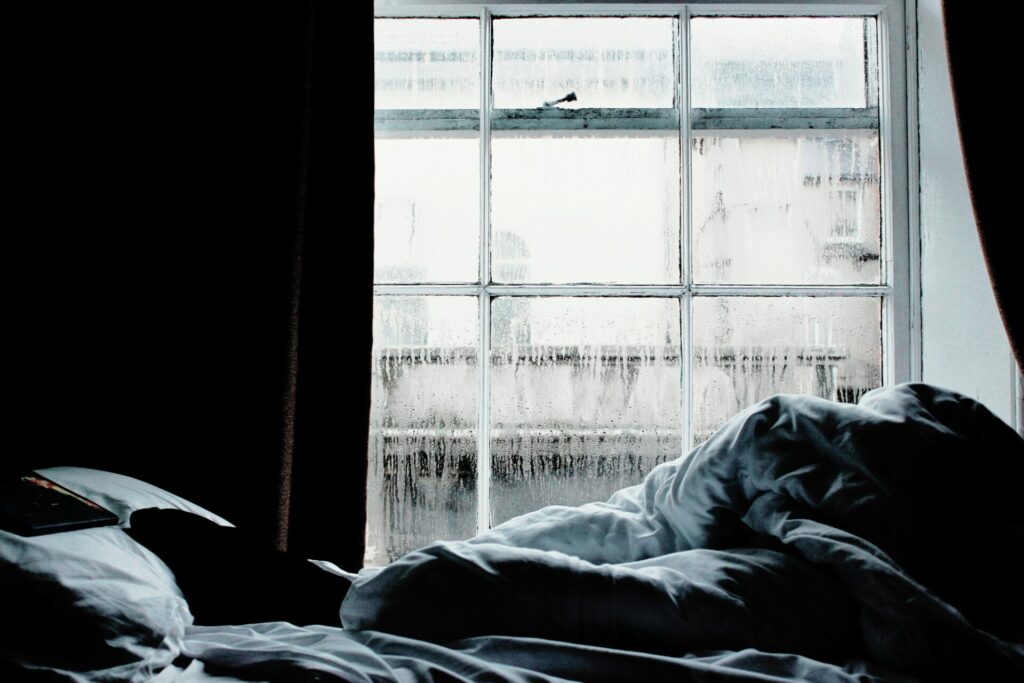
Condensation happens when warm, moist indoor air comes into contact with cold surfaces, such as windows or uninsulated walls. This creates water droplets that accumulate over time. Homes with inadequate insulation and poor ventilation are particularly susceptible. Older properties are especially vulnerable due to outdated construction materials and lack of modern energy-saving features.
The Impact of Condensation on Property Value
Condensation can significantly affect a property’s value. It can lead to mildew and mould, which not only damage walls, ceilings, and finishes but also deter potential buyers. Wallpaper, porous paint, and soft furnishings can trap moisture, worsening the problem. Visible signs of mould or damp can make a home appear poorly maintained and less appealing, ultimately impacting buyer interest and reducing the sale price.
Low-Cost DIY Solutions to Address Condensation
Homeowners can take simple steps to reduce condensation
- Use dehumidifiers to remove excess moisture from the air.
- Keep windows open slightly to improve ventilation.
- Install extractor fans in kitchens and bathrooms to manage humidity.
- Seal gaps and drafts around windows and doors to reduce cold air entry.
- Avoid drying clothes indoors or use a vented tumble dryer.
For more advice, click here.
These cost-effective methods can help manage condensation and improve a home’s appearance.
Professional Services for Long-Term Prevention
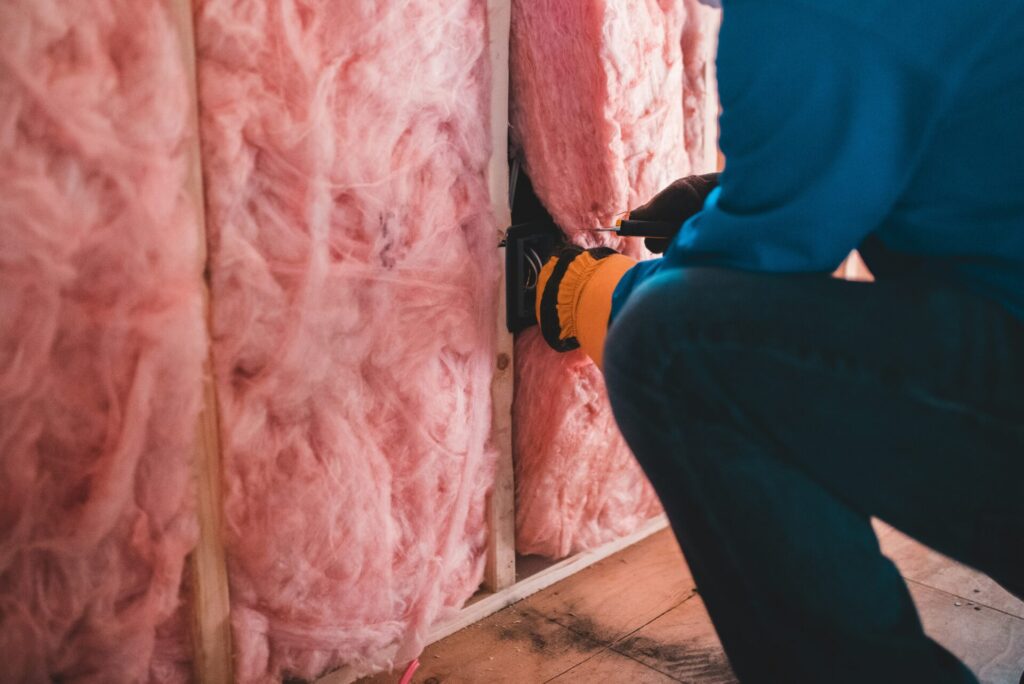
Photo by Erik Mclean on Unsplash
For long-term solutions, consider professional services
- Upgrade insulation in walls, floors, and loft spaces to prevent cold spots.
- Install double-glazed windows, which reduce heat loss and condensation.
- Hire professionals to assess and improve ventilation throughout the home.
- Seek professional mould remediation services for severe cases.
Ideas from professionals here & here.
Although these upgrades require an investment, they can protect your home and increase its value for future resale.
How to Clean Mildew and Mould Caused by Condensation
Mould and mildew caused by condensation can be cleaned with these steps
- Wear protective gloves, goggles, and a mask for safety.
- Mix water with mild detergent or use a dedicated mould cleaner.
- Scrub the affected areas gently but thoroughly.
- Dry the surface completely with a clean cloth.
- Apply anti-mould paint or spray to prevent regrowth.
Regular cleaning and better ventilation can keep mould at bay and maintain a healthier environment.
Final Tips for Homeowners
Condensation issues can harm your home and reduce its value, especially when preparing to sell. Addressing these problems with DIY solutions or professional help will ensure your property remains appealing to buyers. Focus on improving ventilation, upgrading insulation, and keeping your home clean and mould-free. By taking these steps, you can protect your home’s value and make it more attractive to potential buyers.
If you need any further help on protecting our home from condensation and its effects or are looking to sell your home, contact David at Skilton & Hogg Estate Agents. We offer free property valuations and a full marketing package. Click here to send your details or call 01327 624275 for Daventry or 01788 486100 for Rugby.
https://www.bigreddirectory.com/