

The Importance of an Independent Survey
An independent survey is an essential step when purchasing a property, providing an impartial assessment of its condition. It offers buyers a detailed understanding of potential issues that might not be immediately visible. This knowledge helps to avoid unexpected repair costs or complications after the purchase. Here we explore why property surveys are crucial when buying a house.
Unlike a mortgage valuation, which is carried out for the lender’s benefit, an independent survey focuses solely on the buyer’s interests. It examines key areas of the property. Such as the roof, walls, plumbing, and electrics, to identify any existing or potential problems. Issues like dampness, structural weaknesses, or outdated installations can significantly impact a property’s safety and future value.
The findings of an independent survey empower buyers to make informed decisions about their investment. Identifying areas requiring repair or maintenance early can prevent further deterioration and reduce long-term costs. For example, addressing a minor roofing issue before it worsens could save thousands of pounds.
By uncovering potential defects, a survey also offers an opportunity to negotiate with the seller. Buyers can use the survey results to request repairs or a price reduction to account for necessary work. This can be particularly helpful when dealing with older properties. Or homes that may not have been maintained to a high standard.
An independent survey is not only beneficial for protecting the buyer but also for ensuring that the property meets their expectations. It provides peace of mind by revealing any hidden problems and enabling a more transparent purchasing process. Investing in this service ensures that buyers are fully aware of what they are committing to, avoiding surprises after completion.
Types of Property Surveys Available

Photo by Sasun Bughdaryan on Unsplash
When purchasing a property, selecting the right type of survey is crucial to uncover any potential issues. Different surveys cater to different property types and buyer needs, offering varying levels of detail.
A Condition Report is the most basic option, suited to relatively modern and well-maintained homes. It highlights urgent defects, potential risks, and legal considerations but does not provide detailed advice or a valuation. It is often chosen for properties with no significant concerns.
The Homebuyer Report, also known as a Homebuyers Survey, is a popular choice for buyers seeking more detail. It assesses the overall condition of the property, identifying visible defects and potential future problems. This type of survey is particularly useful for homes that appear to be in reasonable condition but may have hidden issues. Additionally, it includes a valuation, which can assist in determining whether the agreed purchase price reflects the property’s true worth.
Learn more on surveys and the main governing body here – RICS
A Building Survey, previously referred to as a Full Structural Survey, offers the most thorough assessment. It is ideal for older, larger, or unconventional properties, such as listed buildings or homes in need of renovation. This survey provides an in-depth analysis of the structure, materials, and condition, along with detailed recommendations for repairs and maintenance. While it is the most comprehensive, it is also the most expensive option.
Other specialist surveys may focus on specific concerns. Such as Damp Reports or Asbestos Surveys, which can address particular risks. Choosing the appropriate survey depends on factors such as the property’s age, type, and condition, as well as your plans for the future.
Deciphering the Survey Report
Survey reports often include technical terminology and a traffic light system to rate the urgency of issues. The three categories typically indicate green for no significant concerns, amber for areas needing attention but not urgent, and red for issues requiring immediate action. Pay close attention to red ratings, as these often highlight structural problems, safety concerns, or defects that could lead to higher costs if ignored.
Some sections of the report might list limitations encountered during the inspection. For example, if a loft was inaccessible or certain areas were obstructed by furniture, the surveyor may note that further investigation is recommended. While this is not uncommon, it’s important to follow up on these points, as unresolved issues could present risks later on.
Why Property Surveys Are Crucial When Buying a House
Key areas to review include structural integrity, signs of damp, electrical and plumbing systems, and roof conditions. Pay attention to descriptions of the property’s condition, such as references to “adequate” or “poor.” These terms provide insight into the current state and any work that might be necessary. Additionally, look out for comments about potential future problems, such as ageing components or materials nearing the end of their lifespan.
The report may also reference legal considerations, such as shared walls or boundary issues, which might require further investigation or discussion with a solicitor. Surveyors generally avoid making definitive statements about areas beyond their expertise. So, it’s important to consider the report as a starting point rather than a complete assessment. Seeking clarification on unclear sections can ensure you fully understand the property’s condition.
Reading Between the Lines

Survey reports can sometimes leave buyers unsure about specific findings, as surveyors may use cautious or ambiguous language. Terms like “appears to be” or “could benefit from further investigation” are often used to indicate areas where a definitive assessment couldn’t be made. For instance, a surveyor might note that a roof space was inaccessible or that floor coverings prevented a full assessment of the flooring underneath. These phrases signal areas that require follow-up, potentially involving specialists to examine the property in greater detail.
Pay attention to how certain issues are described. If a report mentions “historic movement” but states it is “not currently active,” it generally means there’s no immediate cause for concern. However, it’s still worth monitoring. Similarly, vague references to “signs of damp” or “older installations” could mean further investigation is needed to assess the severity of the problem or its potential cost to repair.
It’s also important to note when a surveyor does not mention an area of concern at all. This may simply mean no issues were found, but in some cases, it could reflect a limitation in what could be inspected. For example, a comment about plumbing may only cover visible pipework and exclude concealed systems.
Understanding the implications of these points helps ensure you don’t overlook something that could affect the property’s condition or value. If you’re unsure about the meaning of specific terms, consulting a builder, structural engineer, or another property professional is advisable. They can provide a more detailed explanation and help you decide on the next steps.
Who Can Assist with Survey Reports?
Deciphering a survey report can be challenging, particularly when technical terms or vague language are used. To gain a clearer understanding, it’s often helpful to seek advice from experienced professionals. Builders or structural engineers are well-equipped to provide detailed explanations of specific issues highlighted in the report. They can assess the severity of problems, offer repair estimates, and explain any long-term implications for the property.
Additionally, estate agents can be an invaluable resource when navigating survey findings. Experienced agents, like those at Skilton and Hogg, often have a deep understanding of common issues flagged in surveys and how they can be addressed. They can offer practical advice on discussing findings with the seller. They may also recommend reputable tradespeople or specialists to investigate areas requiring further inspection.
When considering further assessments, it’s worth consulting professionals who specialise in specific areas, such as damp-proofing or electrics, depending on the issues raised. For example, if a survey suggests concerns about damp, a qualified damp specialist can provide a thorough analysis and advice on remedial work.
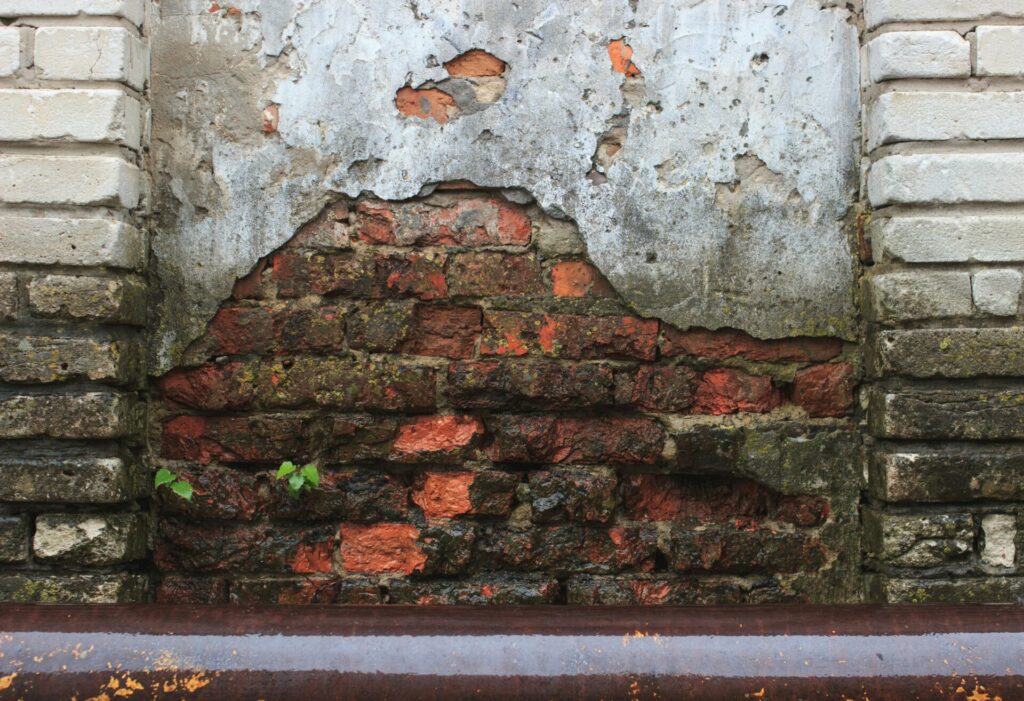
Photo by Andriy Babchiy on Unsplash
In cases where legal matters are mentioned, such as boundary disputes or shared ownership, seeking advice from a solicitor may be necessary to fully understand the implications. Solicitors can clarify legal terms in the report and suggest steps to resolve any highlighted concerns.
By involving the right experts, you can ensure that no critical issues are overlooked and make informed decisions about how to proceed with your property purchase.
Approaching the Seller or Estate Agent
When addressing survey findings with a seller or estate agent, it’s important to communicate clearly and professionally. Begin by highlighting the key issues identified in the report, focusing on those requiring immediate attention or significant investment. Be specific about the concerns raised, referencing the relevant sections of the survey to support your discussion.
Prepare to explain how the findings impact your position as a buyer. For example, significant repair costs or safety issues could justify negotiating a price reduction or requesting that the seller carries out the necessary repairs before completion. Approach these conversations with an open and cooperative attitude to encourage a constructive outcome.
If you’re unsure how to navigate this process, your estate agent can be a valuable resource. They can provide guidance on presenting your case effectively and advise on what is reasonable to request based on local market conditions. Estate agents often act as intermediaries, helping to facilitate discussions and reach a resolution that satisfies both parties.
Should further investigations or estimates from tradespeople be required, share this information to support your negotiation. Presenting well-documented evidence strengthens your case and ensures the seller or their agent understands the validity of your concerns. Clear communication and preparation can lead to a more successful and fair outcome for all involved.
Why Property Surveys Are Crucial When Buying a House
We hope you’ve found this article useful. every buyer should know Why Property Surveys Are Crucial When Buying a House. If you are buying, or indeed selling, and wish to no more about surveys and what they entail, please contact us.
You can reach us here at the office on 01327 624274, send a message via out website by clicking here or email us at info@skiltonandhogghomes.co.uk.